by Anneke_e | Oct 6, 2026 | Publication
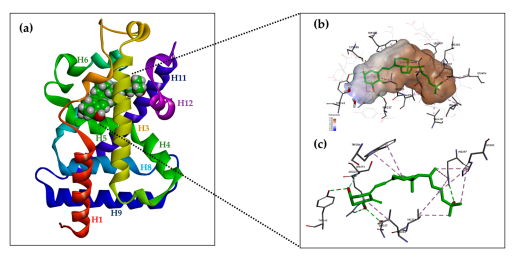
Vitamin D is best known for its role in calcium homeostasis and bone health, but growing evidence indicates that its active form, calcitriol, also regulates cellular processes involved in cancer development, including proliferation, differentiation, apoptosis, and...
by Anneke_e | Oct 6, 2026 | Publication
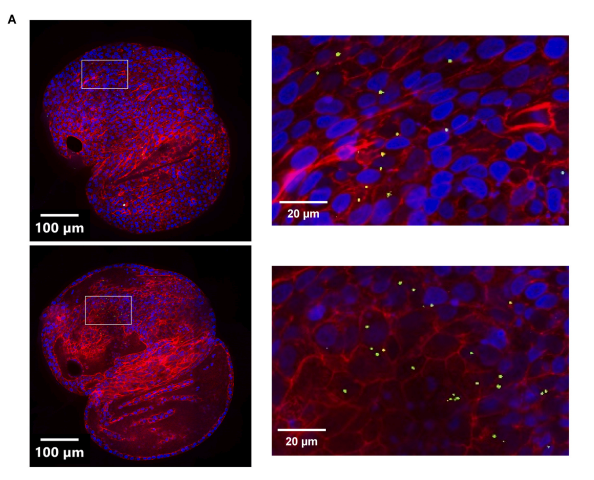
In this study, Ernhofer et al. investigated the effects of polystyrene micro- and nanoplastics (PS-MNPs) on non-malignant and malignant lung cell models, as well as patient-derived lung organoids. While exposure to environmentally relevant concentrations did not...
by Anneke_e | Sep 6, 2026 | Publication
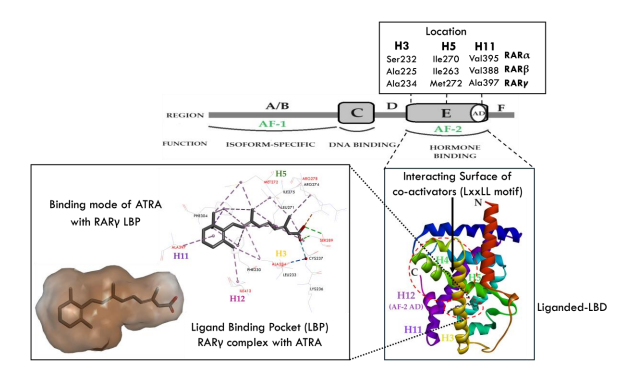
The three retinoic acid receptors (RARα, β, and γ) have distinct roles, so retinoid-based therapies need isoform-selective compounds. This review by Powała et al. focuses on RARγ, which helps maintain stem cells is overexpressed in many cancers. It describes how...

by Anneke_e | Jul 31, 2026 | Publication
POU1F1 is a transcription factor that can push breast cancer cells toward a cancer stem cell‑like state. When POU1F1 levels are high, the cells produce more IL‑6, which activates the JAK2/STAT3 signaling pathway. This pathway is known for supporting cell survival,...

by Anneke_e | Jul 31, 2026 | Publication
The gastrointestinal tract represents a primary route of daily human exposure to micro- and nanoplastics, yet their behavior within tumor cells remains poorly understood. Brynzak-Schreiber, Schögl et al. investigated the uptake, intracellular distribution, and...
by Anneke_e | Jul 31, 2026 | Publication
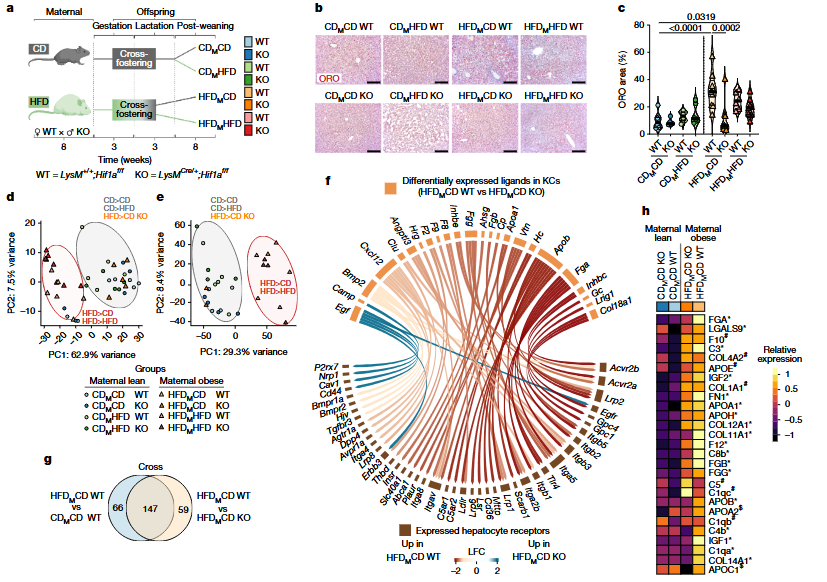
Kupffer cells (KCs), the liver’s yolk sac-derived resident macrophages, acquire tissue-specific functions early in embryogenesis and remain essential throughout life for liver metabolism and homeostasis. Huang, Balzer et al. show that maternal obesity in mice...
