
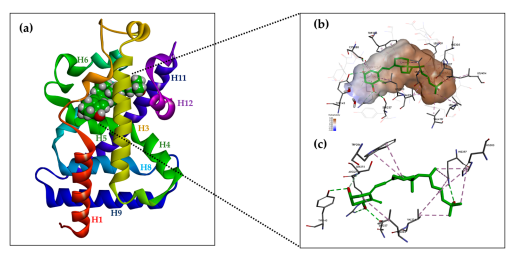
Vitamin D is best known for its role in calcium homeostasis and bone health, but growing evidence indicates that its active form, calcitriol, also regulates cellular processes involved in cancer development, including proliferation, differentiation, apoptosis, and gene expression through the vitamin D receptor (VDR). In this review, Powała et al. summarize the current understanding of VDR structure and signaling, and discuss the development of synthetic vitamin D analogs designed to retain anticancer activity while reducing the risk of hypercalcemia, a major limitation of calcitriol therapy. The review highlights several promising VDR agonists that have demonstrated antiproliferative and differentiation-inducing effects in preclinical cancer models, supporting their potential as candidates for future anticancer therapies.